In this video, the instructor discusses the force method and work method for solving physics questions. The force method involves calculating all the forces, acceleration, and other factors, while the work method focuses on work done and energy of the system. The video also covers the definition of physical work and mechanical work, along with the formula for mechanical work and the concept of angle between force and displacement.


|
|
|||
|
|
|||
|
|


|
|
|
 Uploaded
|
|
0:00 |
|
|
|
|
0:05 | ||
|
|
0:10 |
|
|
|
|
0:15 | ||
|
|
0:20 | ||
|
|
0:25 |
|
|
|
|
0:30 | ||
The video discusses how to calculate work when there are multiple forces acting on a system. It explains the calculation of the work done by individual forces and the net work done onto the system.
|
|
|||
|
|
|||
|
|
|
|
|
Uploaded
|
|
0:00 |
|
|
|
|
0:05 | ||
|
|
0:10 |
|
|
|
|
0:15 | ||
|
|
0:20 | ||
|
|
0:25 |
|
|
|
|
0:30 | ||
The video explains the definition of kinetic energy for point mass and discrete mass systems. It covers the formula for kinetic energy for point masses, as well as the calculation of kinetic energy for discrete mass systems. It also discusses the unit of kinetic energy and how to calculate the total kinetic energy of a discrete mass system.
|
|
|||
|
|
|||
|
|
|
|
|
Uploaded
|
|
0:00 |
|
|
|
|
0:05 | ||
|
|
0:10 |
|
|
|
|
0:15 | ||
|
|
0:20 | ||
|
|
0:25 |
|
|
|
|
0:30 | ||
The video discusses the concept of converting work into energy and energy into work. It explains the relationship between work and mechanical energy, and how they are interchangeable. The video also covers the calculation of work done on a system by multiple forces and the relationship between work and kinetic energy.
|
|
|||
|
|
|||
|
|
|
|
|
Uploaded
|
|
0:00 |
|
|
|
|
0:05 | ||
|
|
0:10 |
|
|
|
|
0:15 | ||
|
|
0:20 | ||
|
|
0:25 |
|
|
|
|
0:30 | ||
The video discusses the concept of potential energy and its relationship with the work energy theorem. It explains how conservative forces lead to zero work done and introduces the concept of potential energy as a state function. The video also explains the modification of the work energy theorem to include potential energy and its relevance to non-conservative forces.
|
|
|||
|
|
|||
|
|
|
|
|
Uploaded
|
|
0:00 |
|
|
|
|
0:05 | ||
|
|
0:10 |
|
|
|
|
0:15 | ||
|
|
0:20 | ||
|
|
0:25 |
|
|
|
|
0:30 | ||
This video discusses the concept of mechanical energy, including its two main forms: kinetic energy and potential energy. It also explores the relationship between mechanical energy and mechanical work, and how it is stored in different types of systems.
|
|
|||
|
|
|||
|
|
|
|
|
Uploaded
|
|
0:00 |
|
|
|
|
0:05 | ||
|
|
0:10 |
|
|
|
|
0:15 | ||
|
|
0:20 | ||
|
|
0:25 |
|
|
|
|
0:30 | ||
This video explains the concept of gravitational potential energy and how to define it, as well as the conditions under which the formula for gravitational potential energy is valid.
|
|
|||
|
|
|||
|
|
|
|
|
Uploaded
|
|
0:00 |
|
|
|
|
0:05 | ||
|
|
0:10 |
|
|
|
|
0:15 | ||
|
|
0:20 | ||
|
|
0:25 |
|
|
|
|
0:30 | ||
This video discusses the concept of spring potential energy, its definition, calculation, and assumptions. It also explains the formula for change in spring potential energy and how to calculate it in absolute terms. The video also covers the assumptions made by the examiner when calculating spring potential energy in physics problems.
|
|
|||
|
|
|||
|
|
|
|
|
Uploaded
|
|
0:00 |
|
|
|
|
0:05 | ||
|
|
0:10 |
|
|
|
|
0:15 | ||
|
|
0:20 | ||
|
|
0:25 |
|
|
|
|
0:30 | ||
A detailed explanation of power in physics, including average power, instantaneous power, and the relationship between power and force.
|
|
|||
|
|
|||
|
|
|
|
|
Uploaded
|
|
0:00 |
|
|
|
|
0:05 | ||
|
|
0:10 |
|
|
|
|
0:15 | ||
|
|
0:20 | ||
|
|
0:25 |
|
|
|
|
0:30 | ||
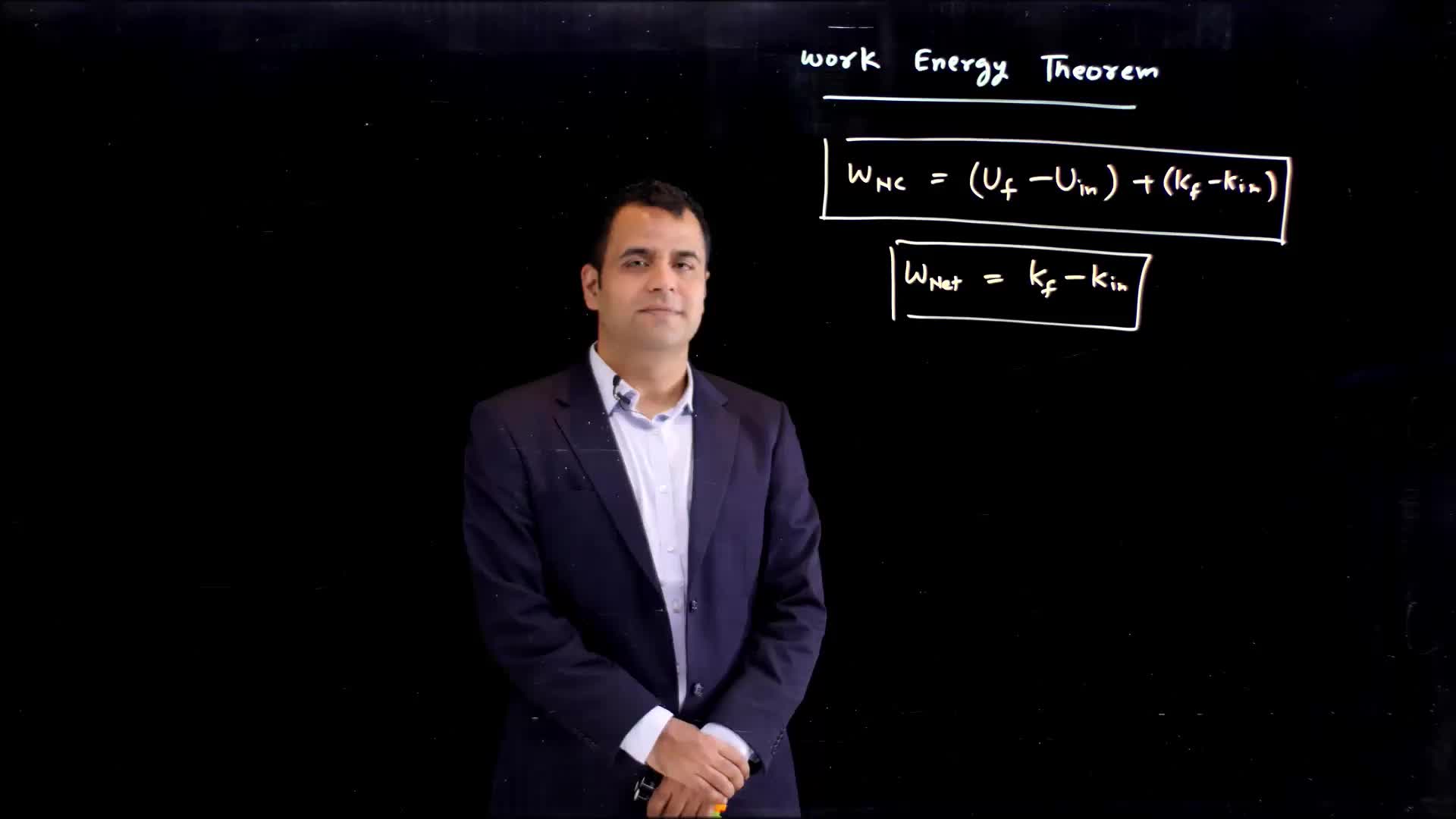
This video provides a detailed explanation of the work energy theorem, including the modification of the formula and division of forces into categories. It also discusses the significance of potential energy, kinetic energy, and the work done by external agents and friction forces. The video ends with a demonstration of a method to memorize the formula and a mention of the importance of understanding and utilizing the theorem.
|
|
|||
|
|
|||
|
|
|
|
|
Uploaded
|
|
0:00 |
|
|
|
|
0:05 | ||
|
|
0:10 |
|
|
|
|
0:15 | ||
|
|
0:20 | ||
|
|
0:25 |
|
|
|
|
0:30 | ||
The video explains how to solve problems using the work energy theorem. It covers the different cases and steps to follow when identifying conservative forces, calculating potential energy, and considering external agents or friction forces.
|
|
|||
|
|
|||
|
|
|
|
|
Uploaded
|
|
0:00 |
|
|
|
|
0:05 | ||
|
|
0:10 |
|
|
|
|
0:15 | ||
|
|
0:20 | ||
|
|
0:25 |
|
|
|
|
0:30 | ||