The video explains the concept of simple harmonic motion (SHM) and its connection to circular motion. It discusses the importance of studying SHM and how it can be connected to translatory and circular motions. It also explores the equations and components of SHM and their relationship to circular motion.


|
|
|||
|
|
|||
|
|


|
|
|
 Uploaded
|
|
0:00 |
|
|
|
|
0:05 | ||
|
|
0:10 |
|
|
|
|
0:15 | ||
|
|
0:20 | ||
|
|
0:25 |
|
|
|
|
0:30 | ||
The video explains how to apply the conservation of momentum in collision scenarios. It covers the initial and final states of a system, the calculation of momentum, and the need for additional equations to solve for the unknowns in the system.
|
|
|||
|
|
|||
|
|
|
|
|
Uploaded
|
|
0:00 |
|
|
|
|
0:05 | ||
|
|
0:10 |
|
|
|
|
0:15 | ||
|
|
0:20 | ||
|
|
0:25 |
|
|
|
|
0:30 | ||
The video discusses the conservation of momentum when bodies collide, and the inability to apply force or energy methods due to the changing forces during collision. It explains the internal forces and their impact on momentum conservation.
|
|
|||
|
|
|||
|
|
|
|
|
Uploaded
|
|
0:00 |
|
|
|
|
0:05 | ||
|
|
0:10 |
|
|
|
|
0:15 | ||
|
|
0:20 | ||
|
|
0:25 |
|
|
|
|
0:30 | ||
The video discusses the three broad types of collision in physics: elastic collision, perfectly inelastic collision, and inelastic collision. It explains the concept of kinetic energy conservation and how it applies to each type of collision.
|
|
|||
|
|
|||
|
|
|
|
|
Uploaded
|
|
0:00 |
|
|
|
|
0:05 | ||
|
|
0:10 |
|
|
|
|
0:15 | ||
|
|
0:20 | ||
|
|
0:25 |
|
|
|
|
0:30 | ||
The video explains how to calculate the final velocities of two particles in an elastic collision using conservation of momentum and kinetic energy. It goes through the equations and conditions required to solve for the unknown velocities.
|
|
|||
|
|
|||
|
|
|
|
|
Uploaded
|
|
0:00 |
|
|
|
|
0:05 | ||
|
|
0:10 |
|
|
|
|
0:15 | ||
|
|
0:20 | ||
|
|
0:25 |
|
|
|
|
0:30 | ||
The video explains the concept of hadron collision, specifically focusing on perfectly elastic collisions and the conservation of momentum and kinetic energy before and after the collision. It also discusses the equations involving velocity and how to calculate the values of v1 and v2.
|
|
|||
|
|
|||
|
|
|
|
|
Uploaded
|
|
0:00 |
|
|
|
|
0:05 | ||
|
|
0:10 |
|
|
|
|
0:15 | ||
|
|
0:20 | ||
|
|
0:25 |
|
|
|
|
0:30 | ||
This video explains the process of calculating the velocities of two particles in a head-on inelastic collision. The collision involves two particles of different masses moving towards each other and then moving in the same direction after the collision. The video goes through the equations and calculations needed to solve for the velocities of the particles after the collision.
|
|
|||
|
|
|||
|
|
|
|
|
Uploaded
|
|
0:00 |
|
|
|
|
0:05 | ||
|
|
0:10 |
|
|
|
|
0:15 | ||
|
|
0:20 | ||
|
|
0:25 |
|
|
|
|
0:30 | ||
Explanation of the physics behind perfectly inelastic collisions, including the calculation of final velocities using the conservation of momentum equation.
|
|
|||
|
|
|||
|
|
|
|
|
Uploaded
|
|
0:00 |
|
|
|
|
0:05 | ||
|
|
0:10 |
|
|
|
|
0:15 | ||
|
|
0:20 | ||
|
|
0:25 |
|
|
|
|
0:30 | ||
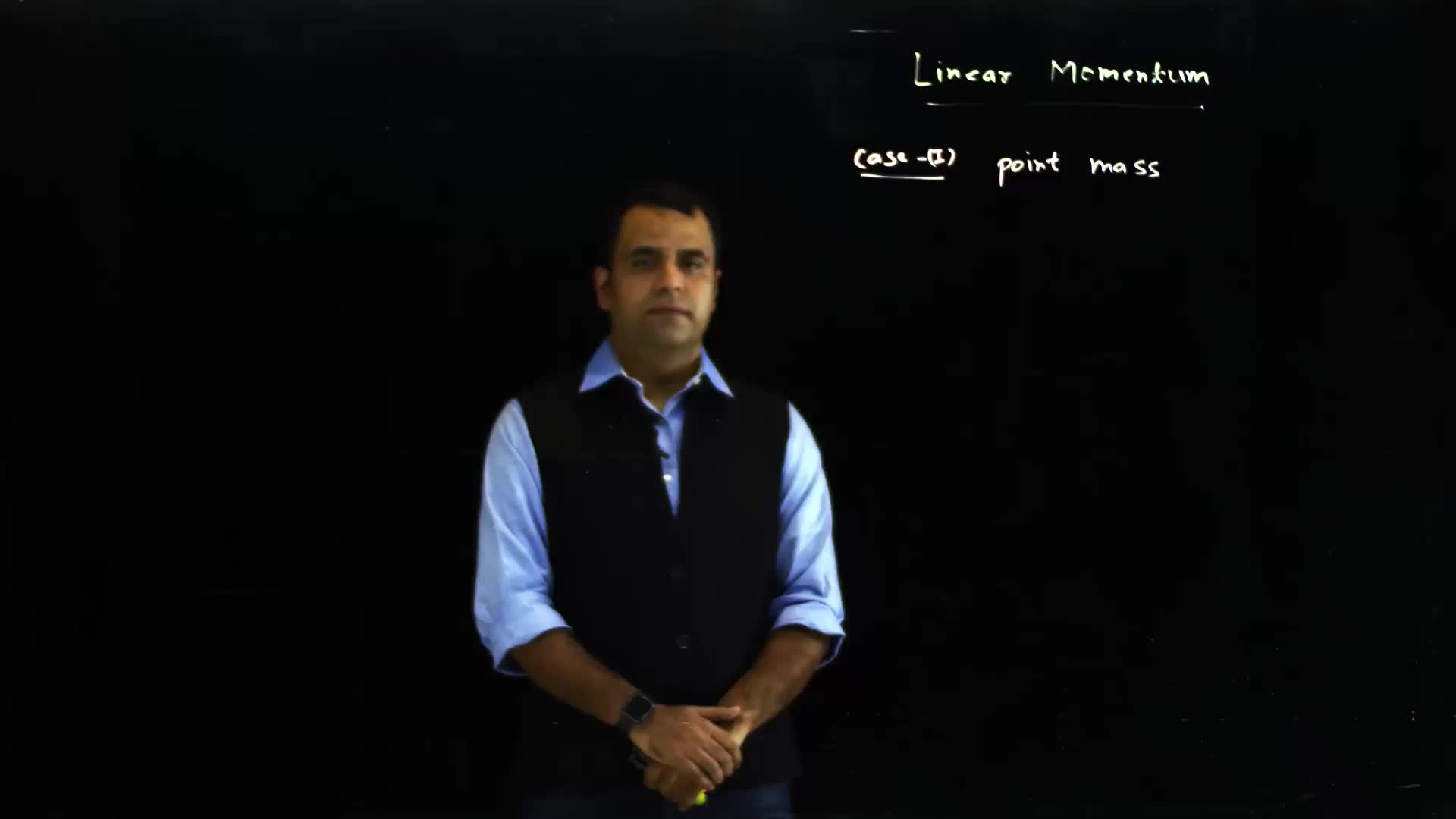
The video introduces and defines linear momentum for different types of systems, such as point mass and discrete mass system.
|
|
|||
|
|
|||
|
|
|
|
|
Uploaded
|
|
0:00 |
|
|
|
|
0:05 | ||
|
|
0:10 |
|
|
|
|
0:15 | ||
|
|
0:20 | ||
|
|
0:25 |
|
|
|
|
0:30 | ||
The video discusses the relationship between force and momentum, exploring the concept through Newton's second law and its modified form. It also delves into the impact of non-zero forces on the momentum of a system.
|
|
|||
|
|
|||
|
|
|
|
|
Uploaded
|
|
0:00 |
|
|
|
|
0:05 | ||
|
|
0:10 |
|
|
|
|
0:15 | ||
|
|
0:20 | ||
|
|
0:25 |
|
|
|
|
0:30 | ||
The video discusses the different methods for solving collision problems, highlighting the limitations of force and energy methods and introducing the conservation of momentum method and the center of mass concept.
|
|
|||
|
|
|||
|
|
|
|
|
Uploaded
|
|
0:00 |
|
|
|
|
0:05 | ||
|
|
0:10 |
|
|
|
|
0:15 | ||
|
|
0:20 | ||
|
|
0:25 |
|
|
|
|
0:30 | ||