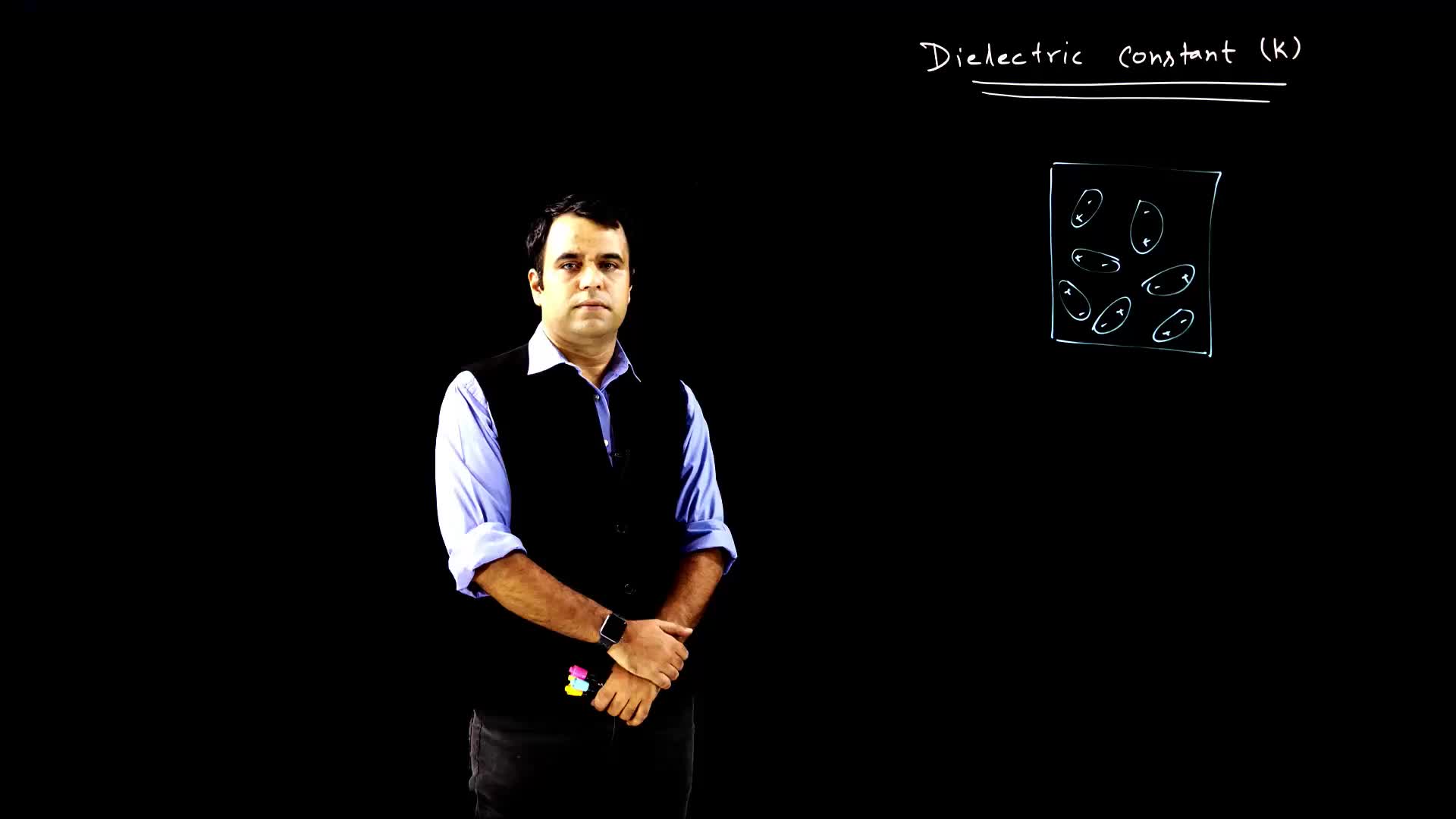
This video explains the concept of dielectric constant, polarizing materials, and the generation of electric fields within dielectric systems. It also delves into the effects of external electric fields on the orientation of molecules within the system.


|
|
|||
|
|
|||
|
|


|
|
|
 Uploaded
|
|
0:00 |
|
|
|
|
0:05 | ||
|
|
0:10 |
|
|
|
|
0:15 | ||
|
|
0:20 | ||
|
|
0:25 |
|
|
|
|
0:30 | ||
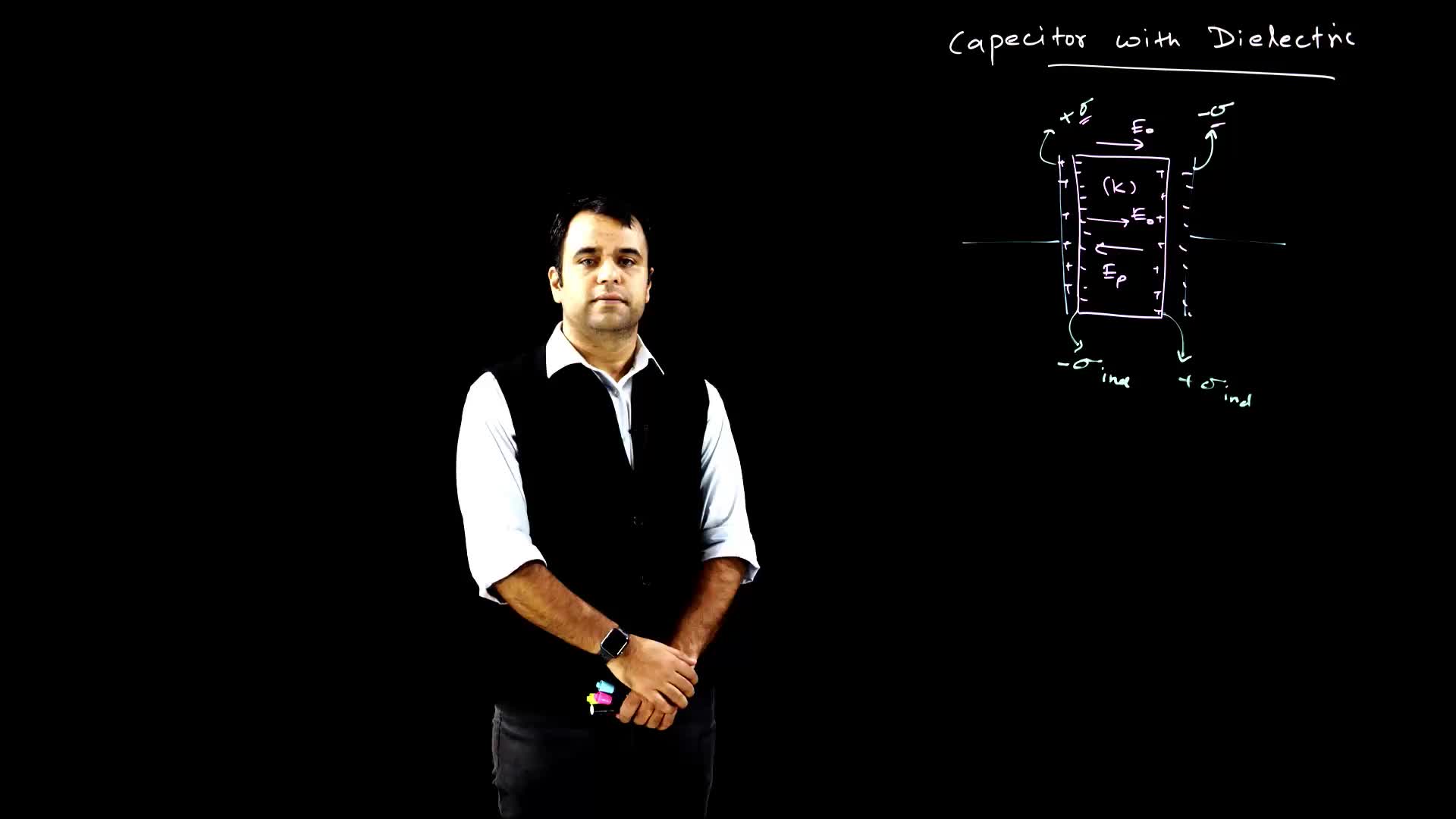
This video provides an in-depth study of dielectric materials, their behavior, and the concept of polarization. It explains the differences between conductors, insulators, and dielectrics, and delves into the concept of induced electric field and charges in dielectric materials. The video also discusses the arrangement of molecules in dielectrics and their impact on the electric field. The lecture sets the stage for the development of formulas related to polarization.
|
|
|||
|
|
|||
|
|
|
|
|
Uploaded
|
|
0:00 |
|
|
|
|
0:05 | ||
|
|
0:10 |
|
|
|
|
0:15 | ||
|
|
0:20 | ||
|
|
0:25 |
|
|
|
|
0:30 | ||
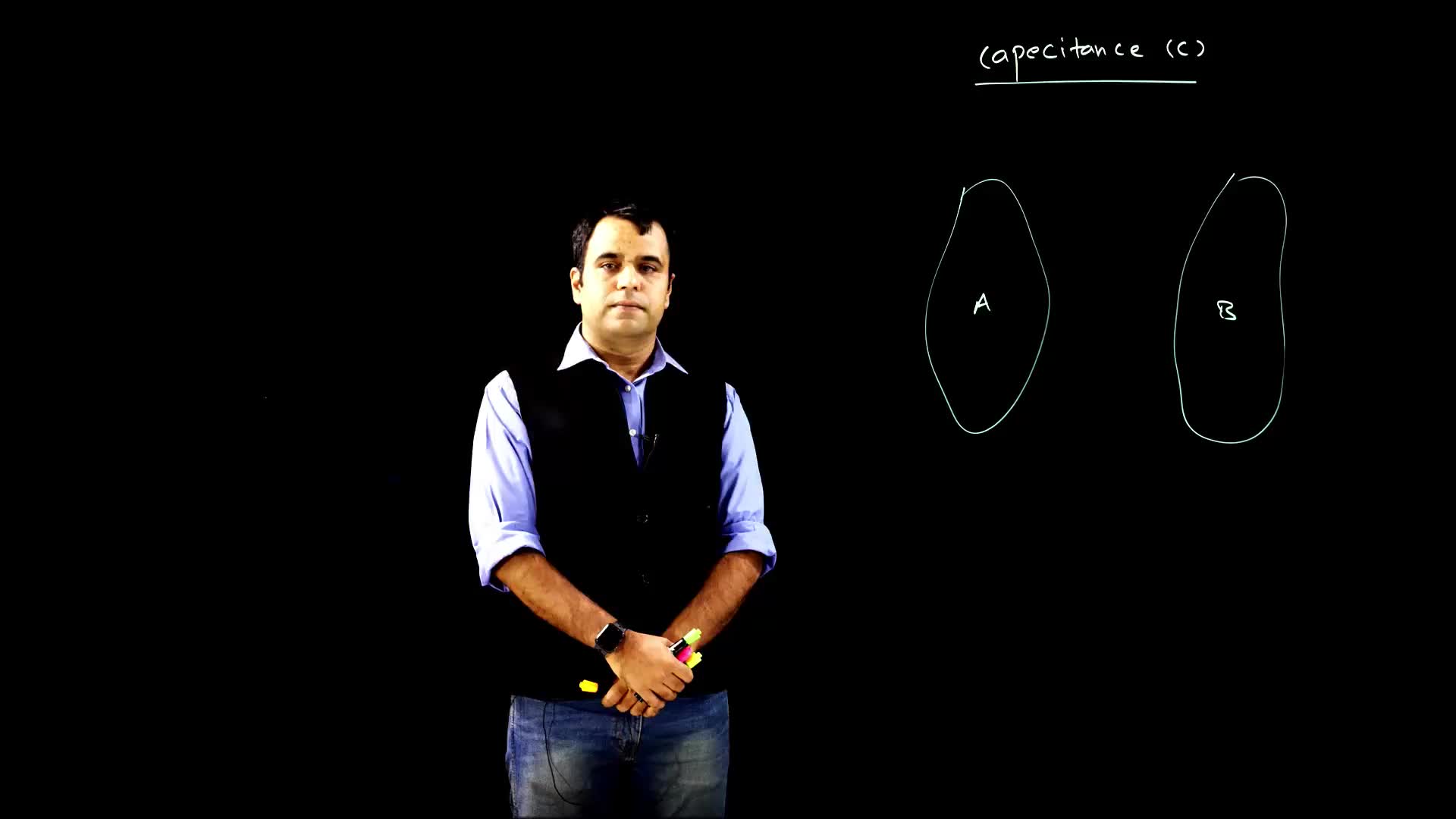
The video discusses the important points regarding capacitance, such as its scalar nature, dimensional formula, unit, and dependence on properties and shape. It also covers how capacitance does not depend on the amount of charge or potential. The video concludes by emphasizing the importance of understanding these properties for solving questions.
|
|
|||
|
|
|||
|
|
|
|
|
Uploaded
|
|
0:00 |
|
|
|
|
0:05 | ||
|
|
0:10 |
|
|
|
|
0:15 | ||
|
|
0:20 | ||
|
|
0:25 |
|
|
|
|
0:30 | ||
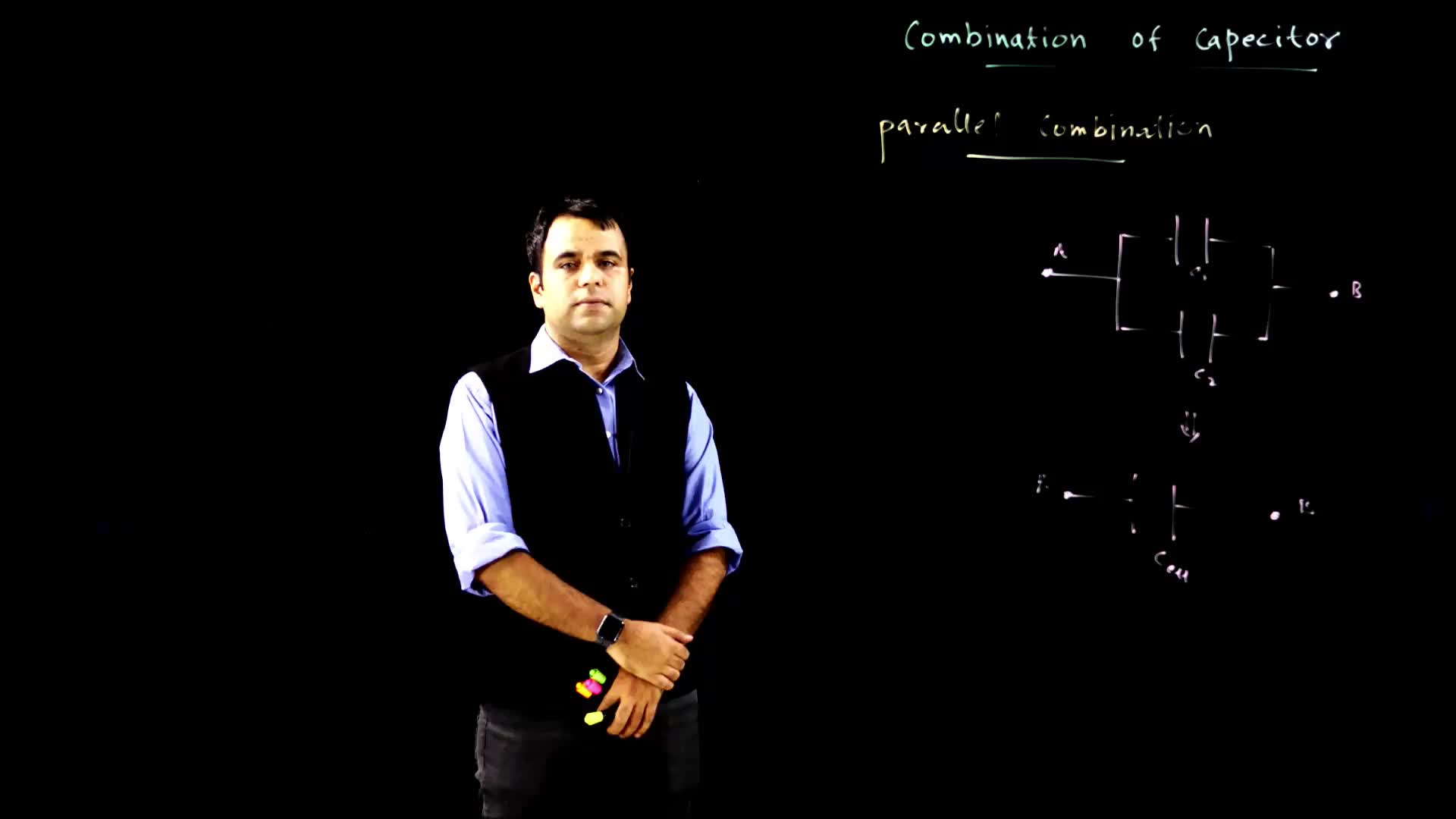
The video explains the concept of parallel combination of capacitors and how to calculate the effective capacitance for a parallel combination of two or more capacitors. It also discusses the formula for calculating the effective capacitance in a parallel combination and its application in problem-solving.
|
|
|||
|
|
|||
|
|
|
|
|
Uploaded
|
|
0:00 |
|
|
|
|
0:05 | ||
|
|
0:10 |
|
|
|
|
0:15 | ||
|
|
0:20 | ||
|
|
0:25 |
|
|
|
|
0:30 | ||
The video explains the process of calculating the capacitance in a system using the placement of positive and negative charges on two bodies, and how to handle scenarios where only one body is given by assuming the other is at infinity.
|
|
|||
|
|
|||
|
|
|
|
|
Uploaded
|
|
0:00 |
|
|
|
|
0:05 | ||
|
|
0:10 |
|
|
|
|
0:15 | ||
|
|
0:20 | ||
|
|
0:25 |
|
|
|
|
0:30 | ||
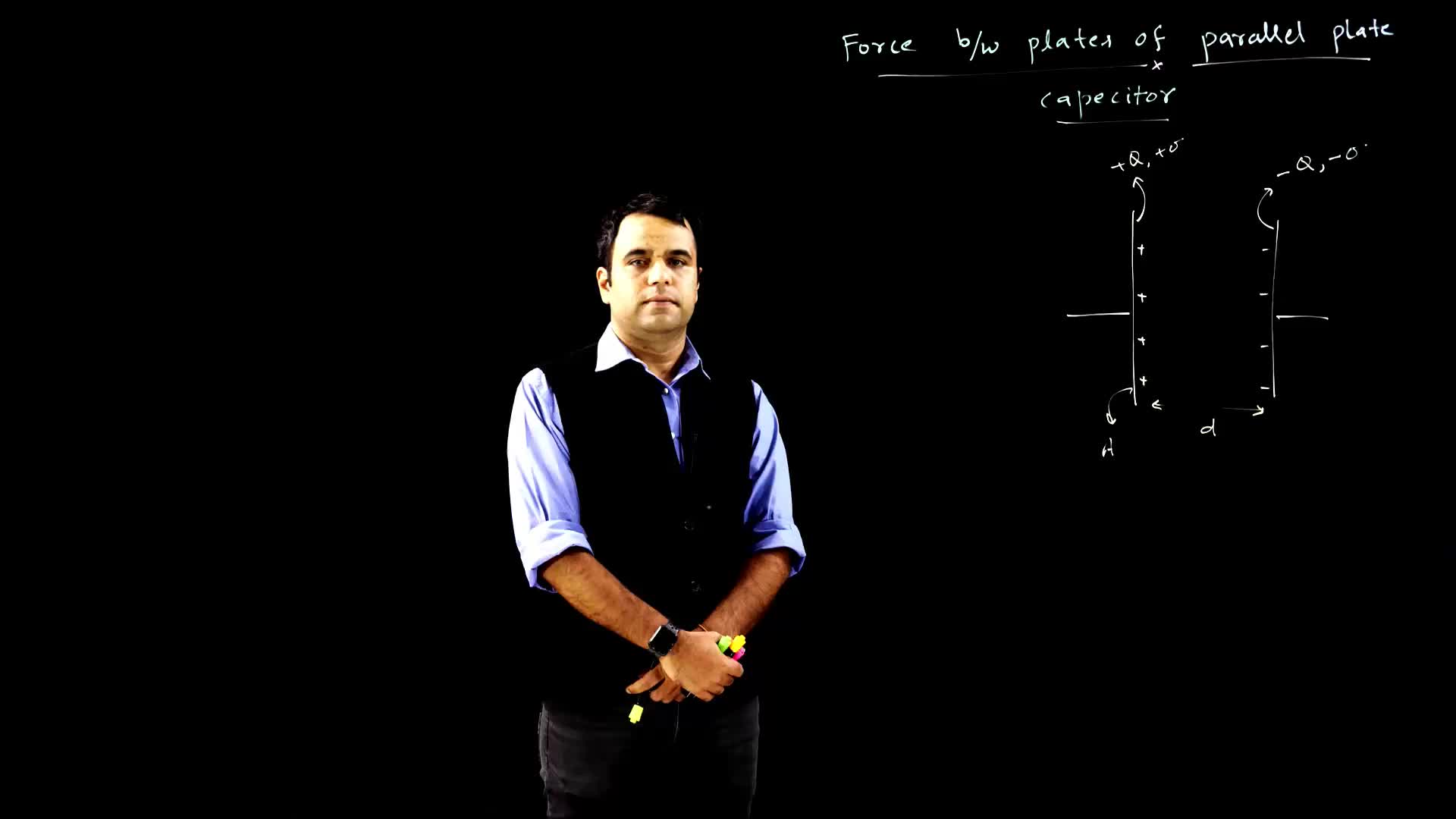
The video explains how to calculate the force and pressure in a parallel plate capacitor due to the electrostatic interaction between the two plates. It also discusses the relationship between the force, electric field, and charge density, and concludes with the concept of electrostatic pressure inside the capacitor.
|
|
|||
|
|
|||
|
|
|
|
|
Uploaded
|
|
0:00 |
|
|
|
|
0:05 | ||
|
|
0:10 |
|
|
|
|
0:15 | ||
|
|
0:20 | ||
|
|
0:25 |
|
|
|
|
0:30 | ||
The video explains the process of calculating the capacitance of a spherical conductor and the formula for determining the capacitance.
|
|
|||
|
|
|||
|
|
|
|
|
Uploaded
|
|
0:00 |
|
|
|
|
0:05 | ||
|
|
0:10 |
|
|
|
|
0:15 | ||
|
|
0:20 | ||
|
|
0:25 |
|
|
|
|
0:30 | ||
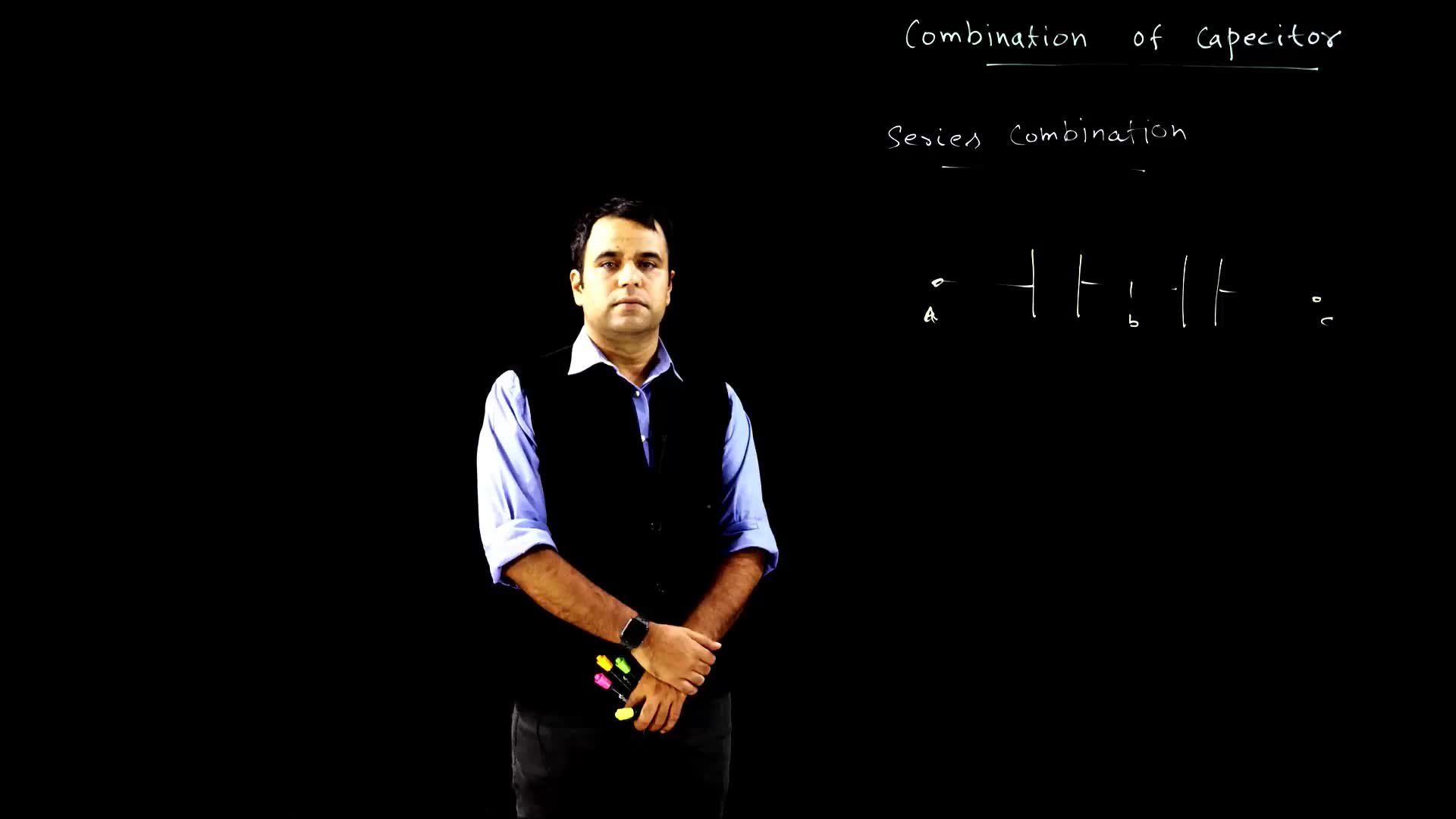
This video discusses the series combination of capacitors, explaining the concept and providing the formula to calculate the effective capacitance of the combined capacitors. It also covers the case with multiple capacitors in series.
|
|
|||
|
|
|||
|
|
|
|
|
Uploaded
|
|
0:00 |
|
|
|
|
0:05 | ||
|
|
0:10 |
|
|
|
|
0:15 | ||
|
|
0:20 | ||
|
|
0:25 |
|
|
|
|
0:30 | ||
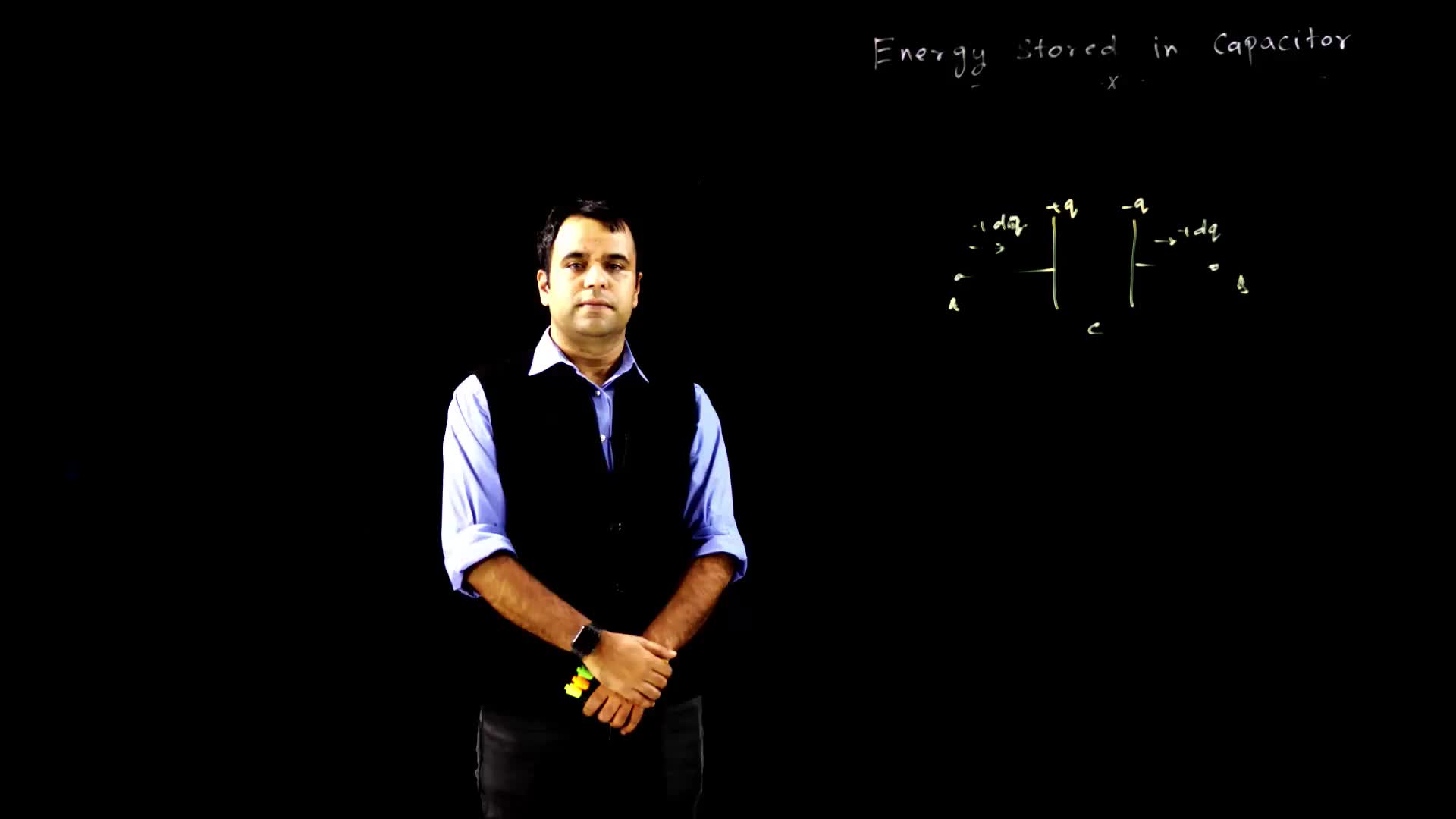
The video explains the concept of how energy is stored in a capacitor, as well as the formulas for calculating the electrostatic potential energy in terms of charge, voltage, and capacitance.
|
|
|||
|
|
|||
|
|
|
|
|
Uploaded
|
|
0:00 |
|
|
|
|
0:05 | ||
|
|
0:10 |
|
|
|
|
0:15 | ||
|
|
0:20 | ||
|
|
0:25 |
|
|
|
|
0:30 | ||
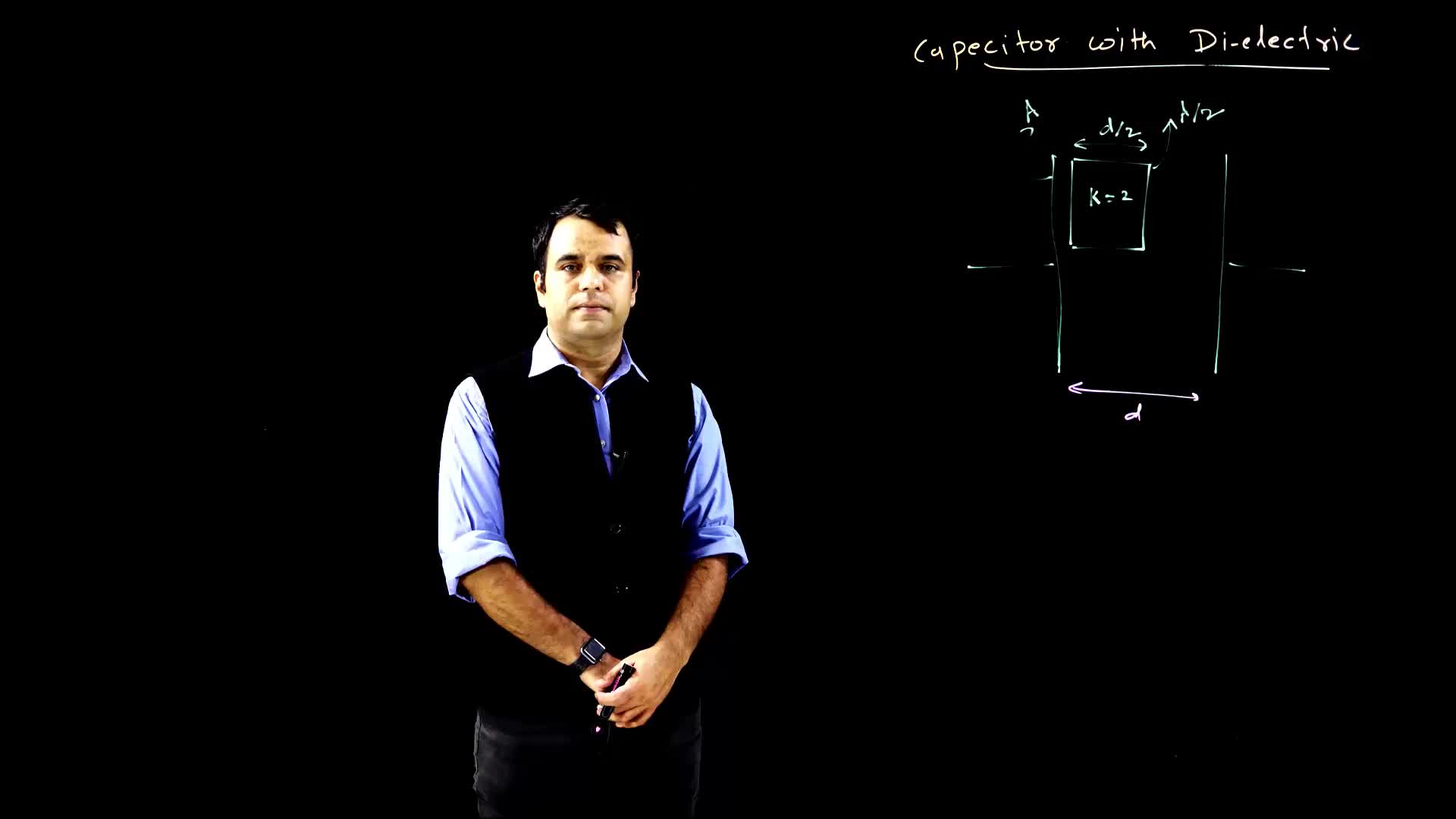
A lecture on how to calculate the capacitance of a capacitor with a partially filled dielectric, including the process of cutting and reattaching portions of the dielectric to calculate the effective capacitance of the system.
|
|
|||
|
|
|||
|
|
|
|
|
Uploaded
|
|
0:00 |
|
|
|
|
0:05 | ||
|
|
0:10 |
|
|
|
|
0:15 | ||
|
|
0:20 | ||
|
|
0:25 |
|
|
|
|
0:30 | ||
In this video, the speaker explains how to calculate the capacitance of a capacitor when the dielectric is only partially filling the capacitor. They demonstrate how to cut the capacitor and join the resulting sections in parallel and then provide the formula for calculating the effective capacitance. Additionally, the speaker discusses the options for cutting the capacitor and how to join the sections based on the method of cutting.
|
|
|||
|
|
|||
|
|
|
|
|
Uploaded
|
|
0:00 |
|
|
|
|
0:05 | ||
|
|
0:10 |
|
|
|
|
0:15 | ||
|
|
0:20 | ||
|
|
0:25 |
|
|
|
|
0:30 | ||
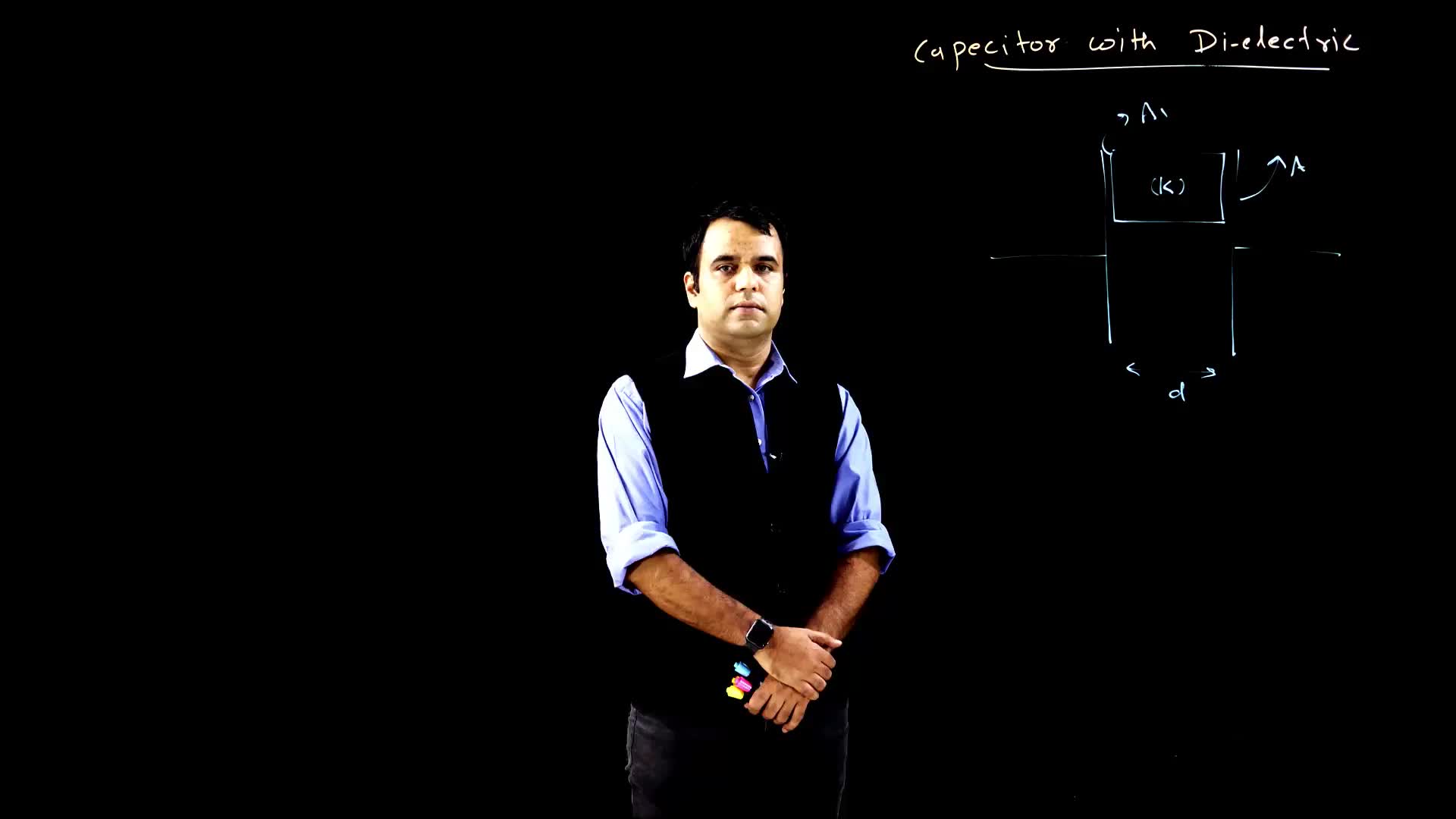
The video explains how to calculate the effective capacitance of a system with partially filled dielectric capacitors. The system is divided into series combinations of capacitors with differing widths and dielectric constants.
|
|
|||
|
|
|||
|
|
|
|
|
Uploaded
|
|
0:00 |
|
|
|
|
0:05 | ||
|
|
0:10 |
|
|
|
|
0:15 | ||
|
|
0:20 | ||
|
|
0:25 |
|
|
|
|
0:30 | ||
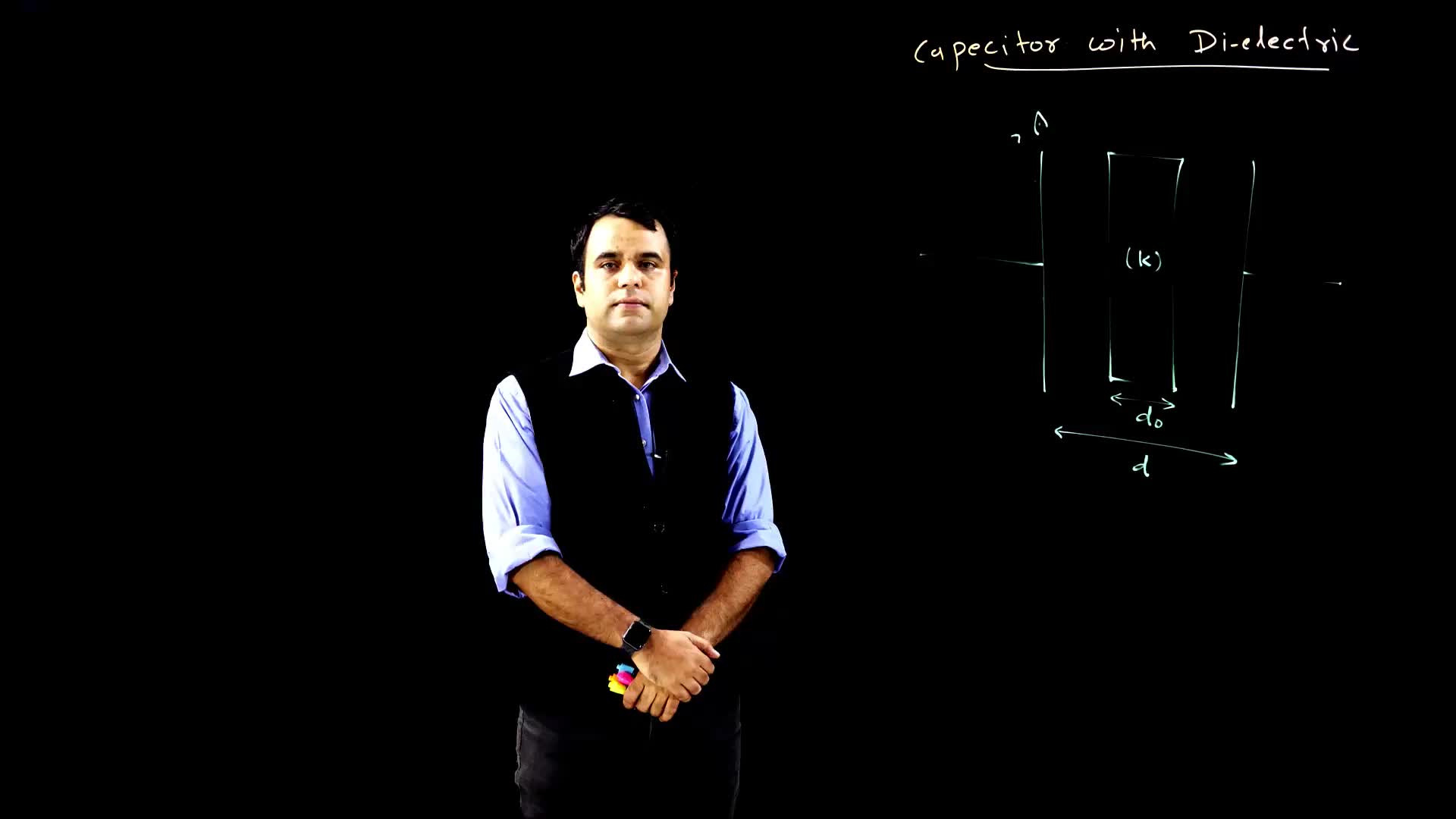
Calculation of capacitance of a capacitor with a dielectric material inside. Derivation of the formula and comparison with the formula for capacitance without a dielectric. Use of the formula to solve for capacitance.
|
|
|||
|
|
|||
|
|
|
|
|
Uploaded
|
|
0:00 |
|
|
|
|
0:05 | ||
|
|
0:10 |
|
|
|
|
0:15 | ||
|
|
0:20 | ||
|
|
0:25 |
|
|
|
|
0:30 | ||
The video discusses the calculation of capacitance for two concentric spherical shells, with a detailed derivation and explanation of the process. It also highlights the confinement of electric field and energy within the region between the shells, making it a more useful case for practical applications.
|
|
|||
|
|
|||
|
|
|
|
|
Uploaded
|
|
0:00 |
|
|
|
|
0:05 | ||
|
|
0:10 |
|
|
|
|
0:15 | ||
|
|
0:20 | ||
|
|
0:25 |
|
|
|
|
0:30 | ||
Explanation of the process to calculate the capacitance for a parallel plate capacitor, including the necessary formulas and considerations for optimal capacitance.
|
|
|||
|
|
|||
|
|
|
|
|
Uploaded
|
|
0:00 |
|
|
|
|
0:05 | ||
|
|
0:10 |
|
|
|
|
0:15 | ||
|
|
0:20 | ||
|
|
0:25 |
|
|
|
|
0:30 | ||
This video discusses the property of capacitance and its relationship to potential difference, electric field, and energy storage. It also introduces the concept of capacitors as devices for storing electrical energy.
|
|
|||
|
|
|||
|
|
|
|
|
Uploaded
|
|
0:00 |
|
|
|
|
0:05 | ||
|
|
0:10 |
|
|
|
|
0:15 | ||
|
|
0:20 | ||
|
|
0:25 |
|
|
|
|
0:30 | ||
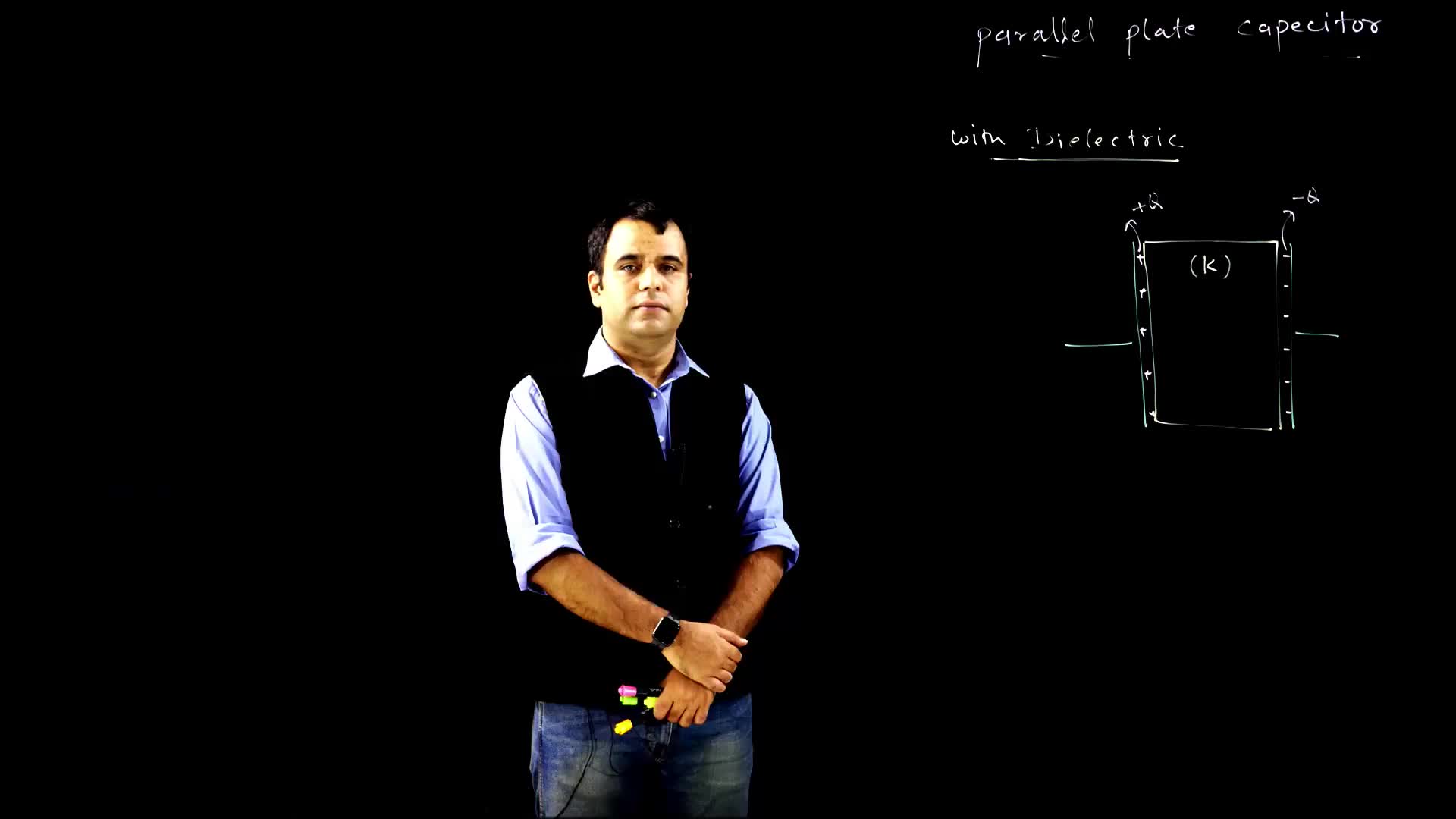
This video explains the calculation of the capacitance of a parallel plate capacitor with a dielectric placed between the plates. It covers the formula for electric field, potential difference, and the relationship between dielectric constant and capacitance.
|
|
|||
|
|
|||
|
|
|
|
|
Uploaded
|
|
0:00 |
|
|
|
|
0:05 | ||
|
|
0:10 |
|
|
|
|
0:15 | ||
|
|
0:20 | ||
|
|
0:25 |
|
|
|
|
0:30 | ||